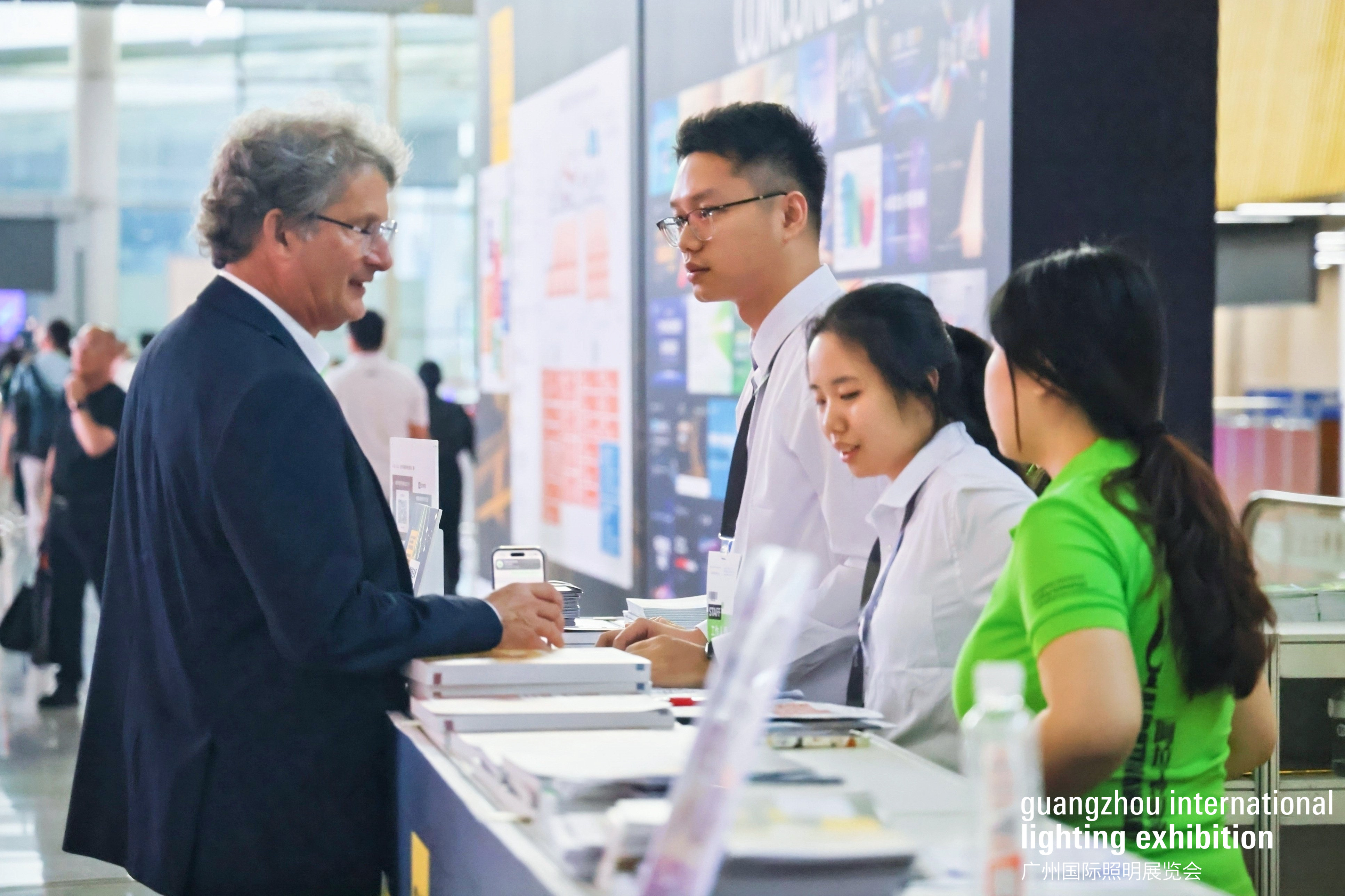
The comprehensive complementary programme of events rounds off your visit to Guangzhou International Lighting Exhibition. The top themes and events give you a concentrated overview of the latest trends and developments in your sector.
Highlights of GILE
GILE 2027 unveils six scenario-driven ecosystems to drive industry growth
As the global lighting sector continues to move beyond traditional illumination, the 2027 Guangzhou International Lighting Exhibition (GILE) will focus on how lighting creates greater value across diverse application scenarios. The 32nd edition will be structured around six scenario-driven ecosystems, providing a practical framework for the industry to capture growth opportunities and support the six scenario-driven ecosystem transformation towards intelligent, sustainable and experience-driven solutions.
Six scenario-driven ecosystem, countless business opportunities
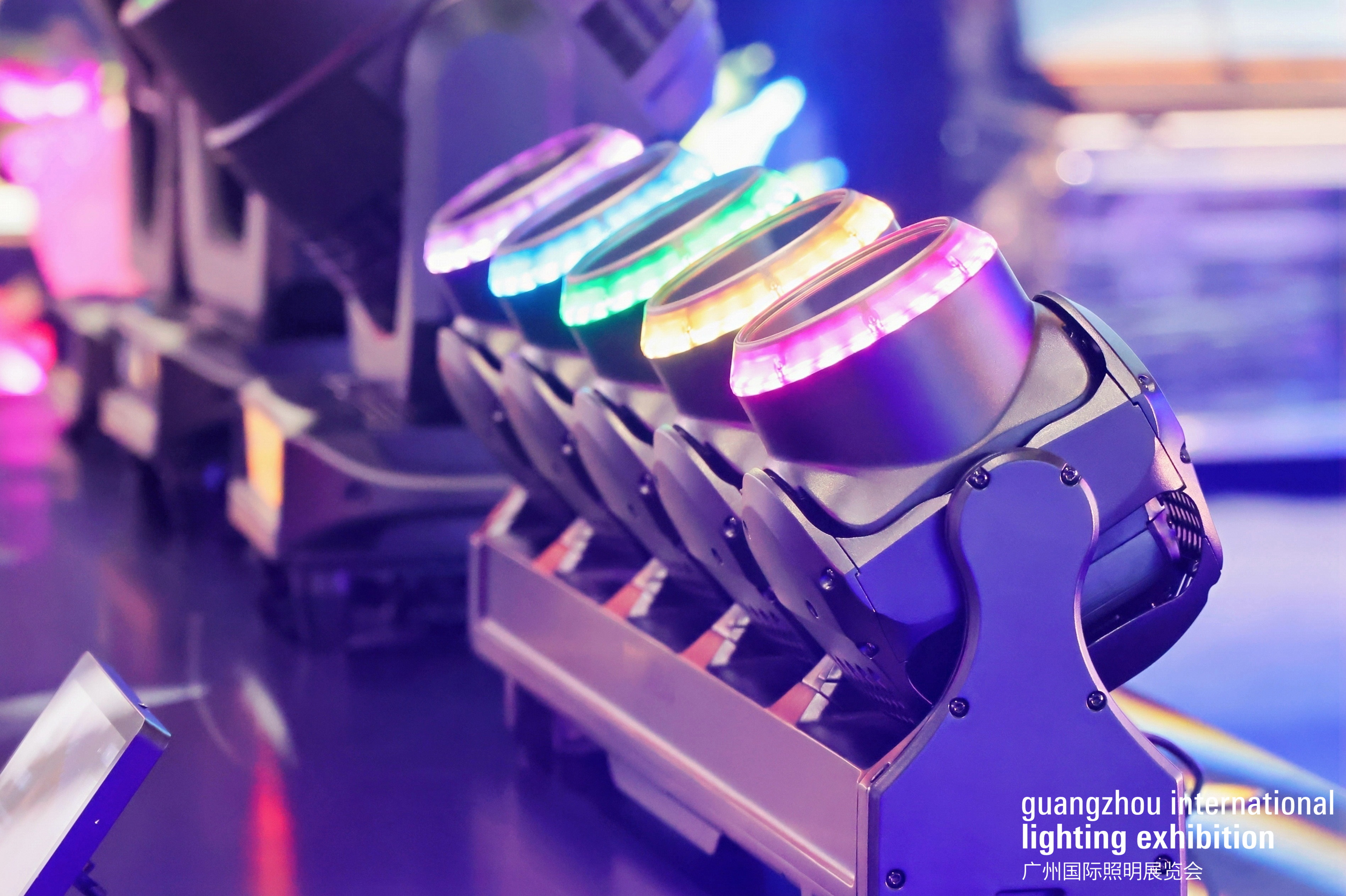
Cultural tourism and visual experience ecosystem
Blends technology, art, and cultural tourism, through immersive landscape lighting, dynamic interactive projections, and dazzling stage effects. Together, these innovations redefine how historic buildings and regional landmarks come alive after dark, setting a new standard for the development of the night economy.
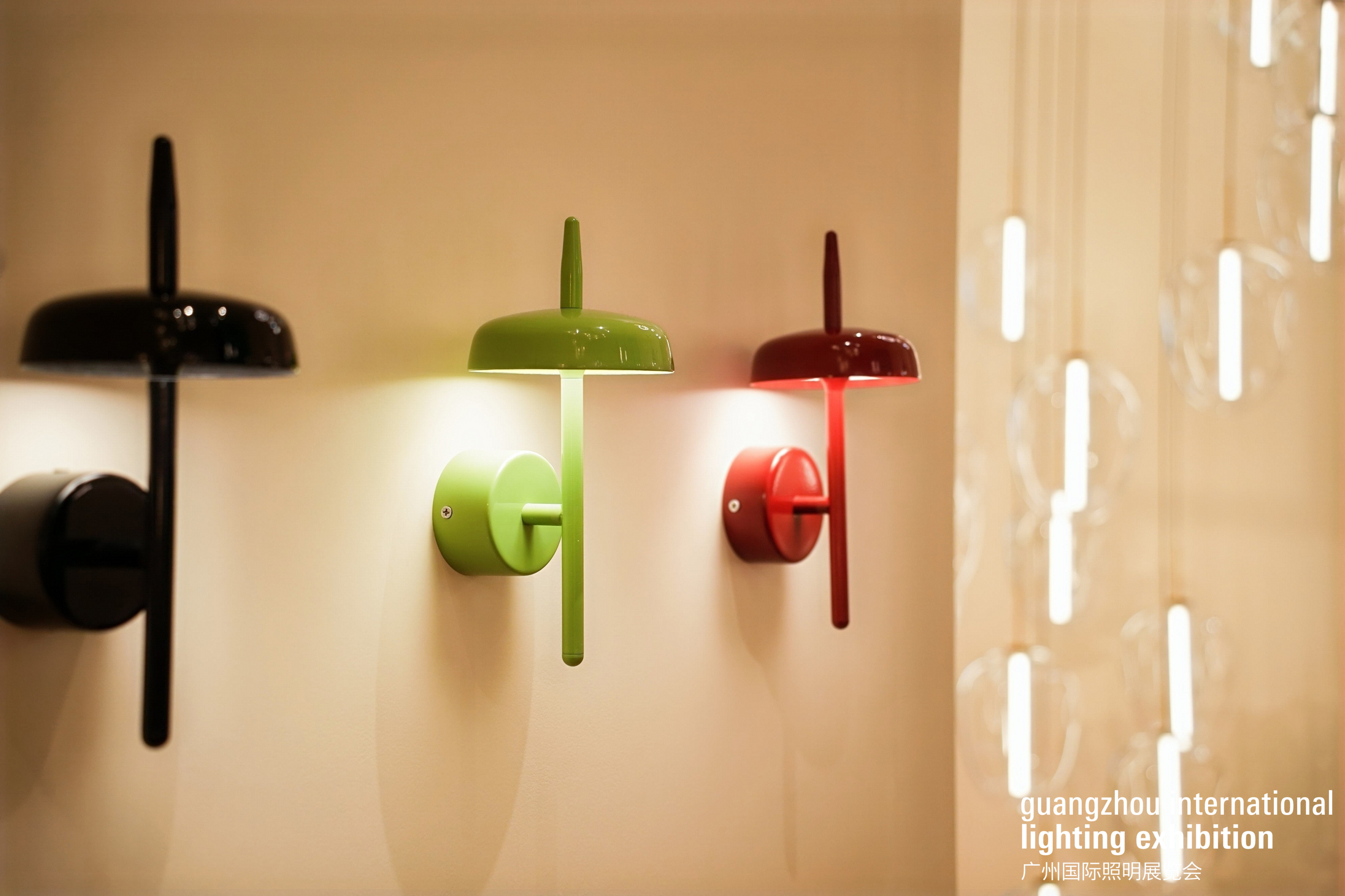
The low carbon and smart city ecosystem
Integrates IoT and AI to power coordinated, city-wide lighting systems that automatically adjust to foot traffic and seasonal shifts, reducing energy consumption while enhancing public safety and urban beautification.

The bio-optics and smart agriculture lighting ecosystem
Focuses on lighting technologies that interact directly with biological systems and controlled production environments.
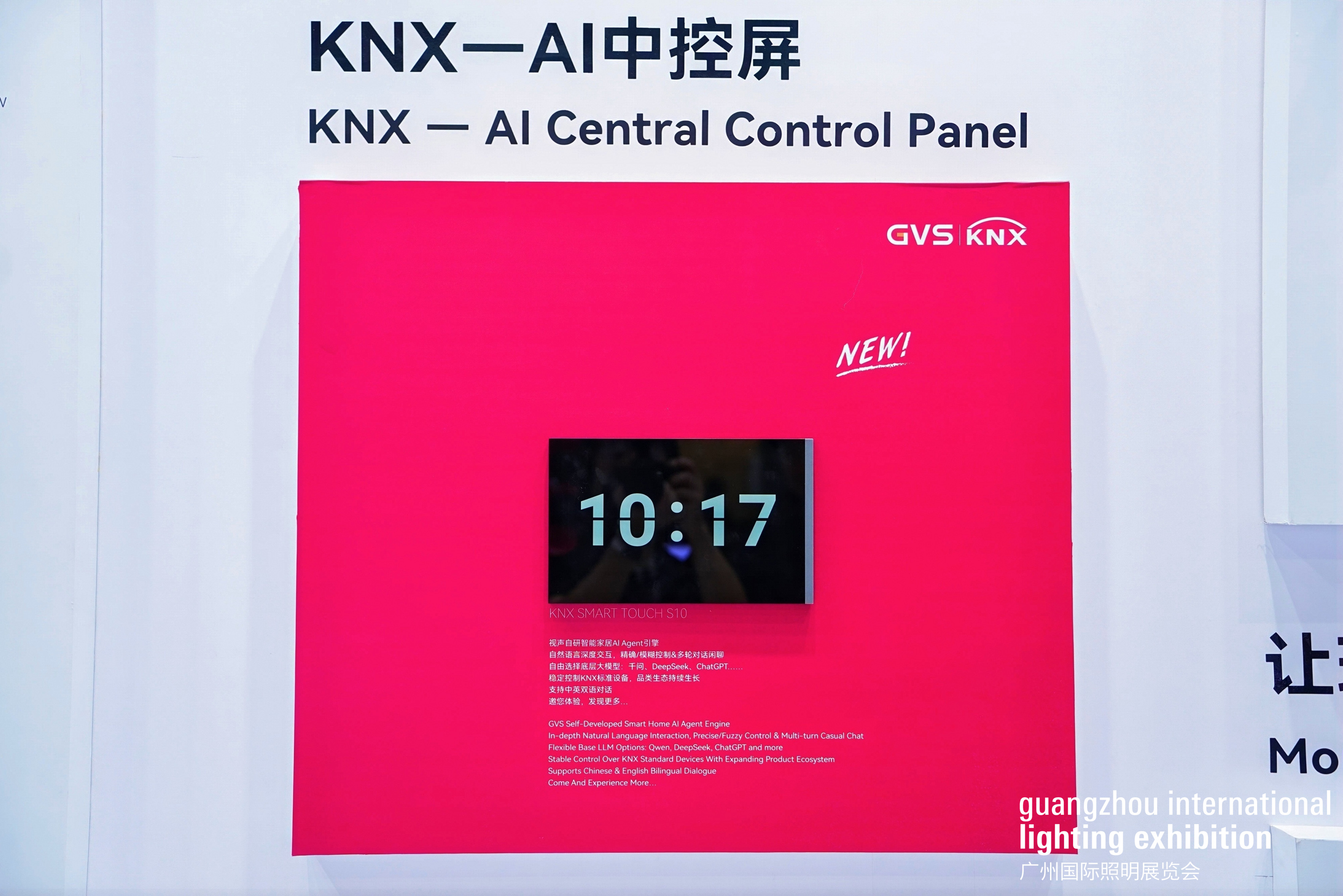
The AI lighting ecosystem
Combines AI algorithms, sensors, smart drivers, and connected control systems and building platforms to analyse real-time occupancy, daylight, user behaviour, and energy use, automatically adjusting brightness, colour temperature, and lighting scenes. For manufacturers, control/chip suppliers, software developers, and system integrators, this shift beyond standard luminaires unlocks service-based revenue streams through intelligent platforms, data services, energy optimization, and customised applications.
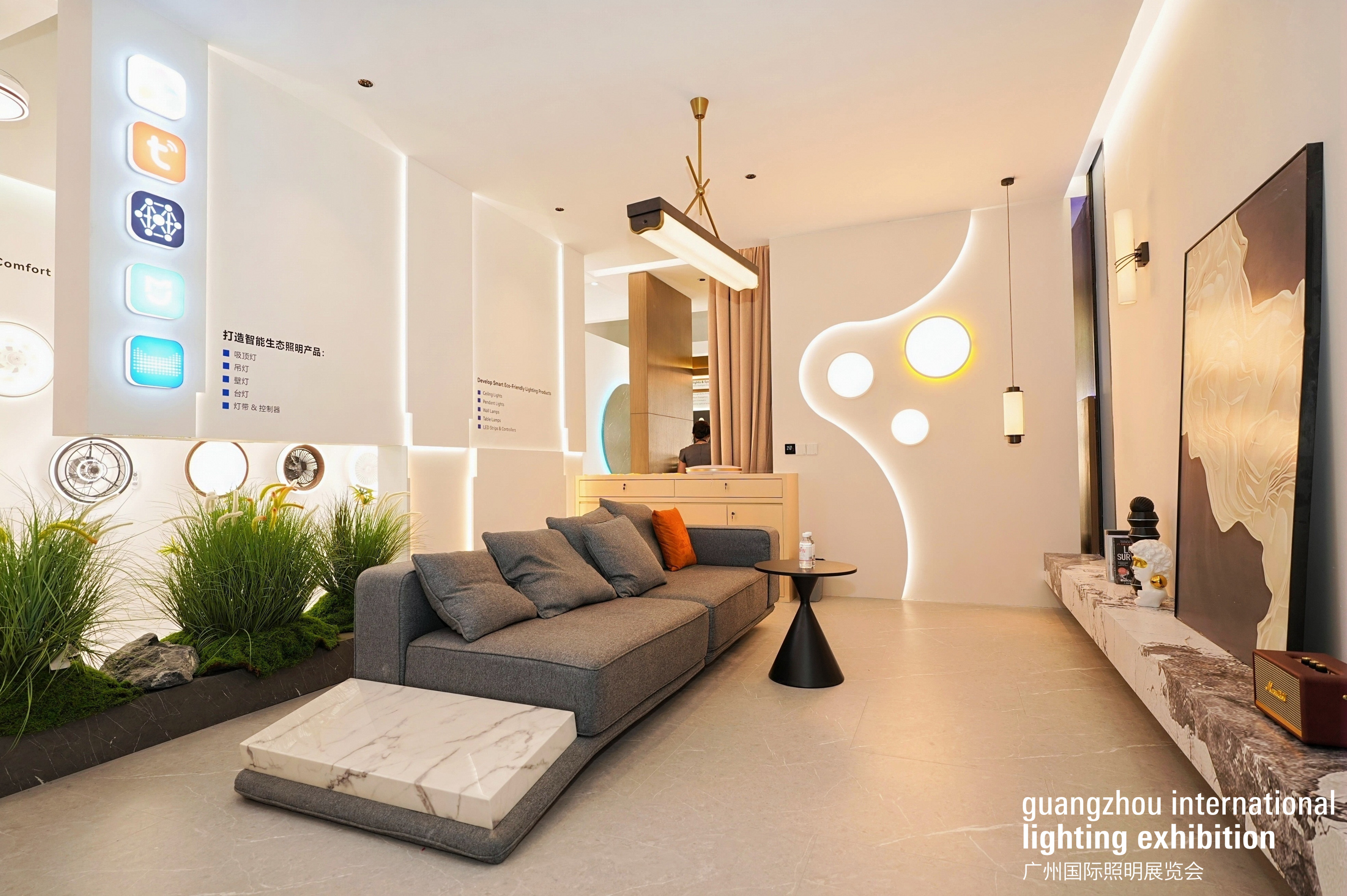
Residential lighting application ecosystem
Integrates AI-adaptive controls with full-spectrum lighting to create personalised living environments. Utilising low-carbon, recyclable materials, it demonstrates how smart home lighting balances health, aesthetics, and sustainability.
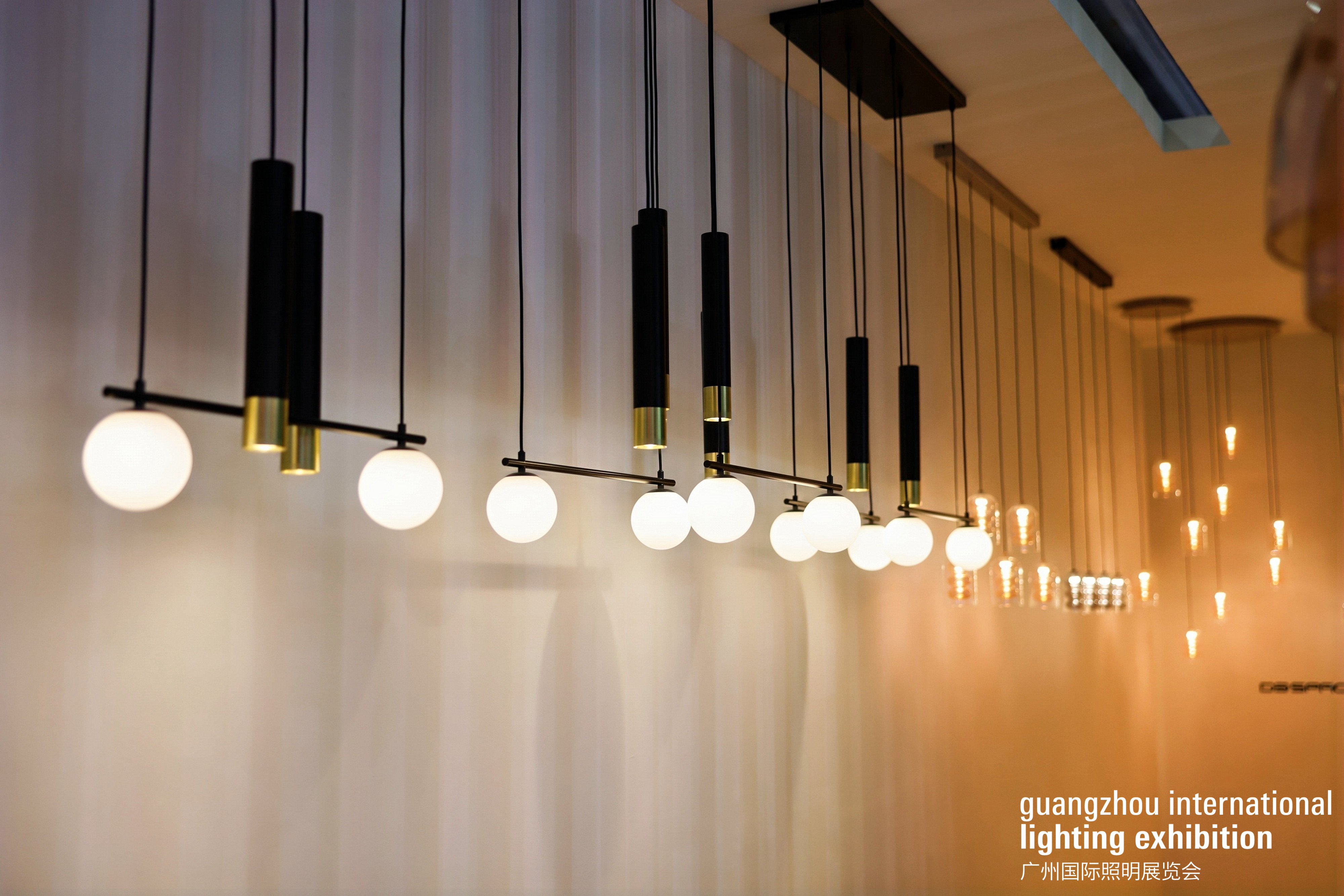
Commercial lighting application ecosystem
Positions commercial lighting as a smart-driven growth engine with self-learning capabilities. Through real-time responses to foot traffic, timing, and daylight, these systems boost office efficiency and intuitively guide consumer flow in retail spaces.